All in Learning Scientists Posts
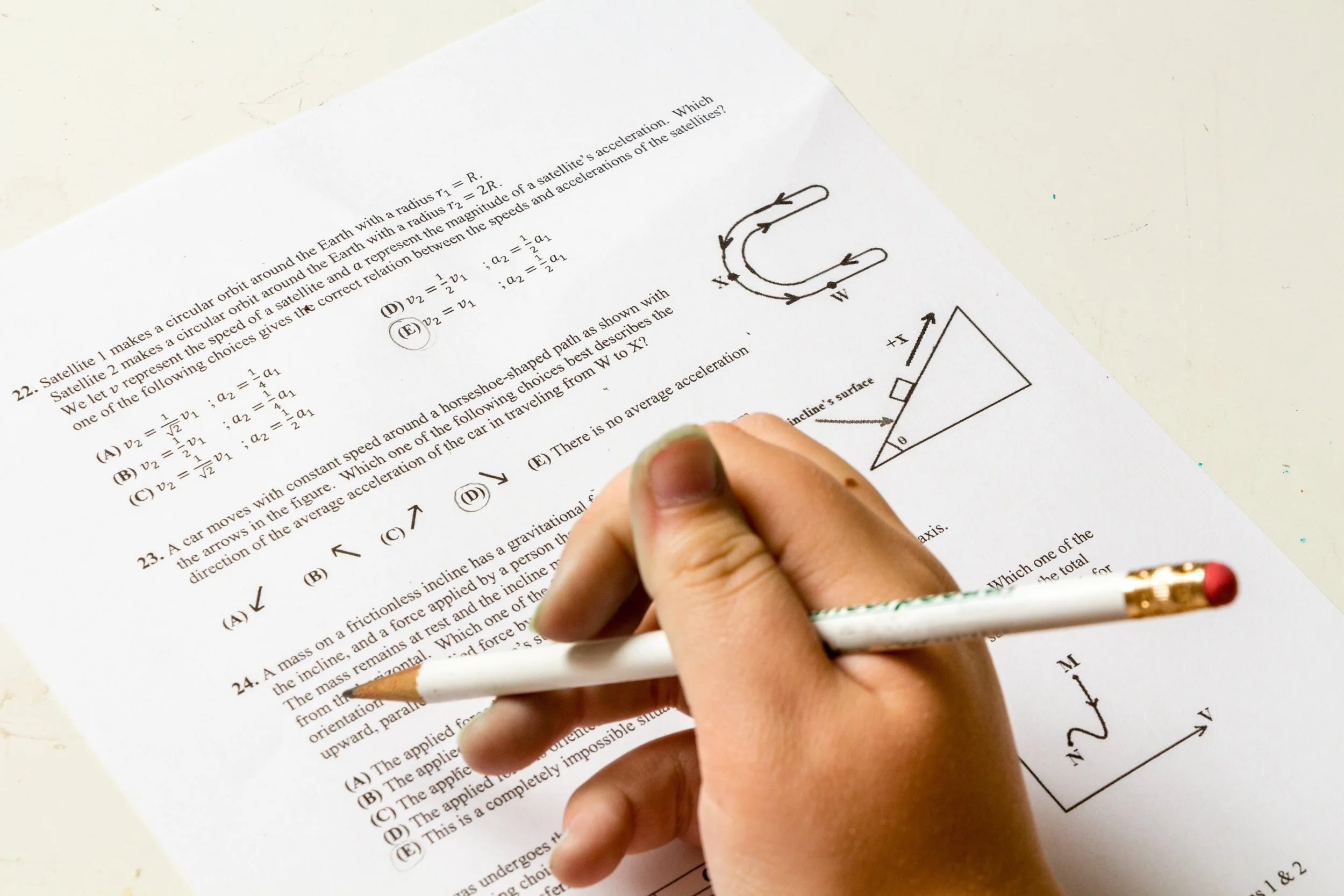
In today’s post, I’m covering a set of experiments published by Andrew Butler and colleagues (1) titled Retrieving and Applying Knowledge to Different Examples Promotes Transfer of Learning. I really like this paper for a few reasons. First and foremost, …
AI and learning has been in the news recently. The Economist recently featured data from a study of 7-12 grade Chinese students’ homework and exam scores and AI use (1). Students who relied heavily on generative AI to complete their homework scored highly on their homework, but did not fare as well on exams. However, students who either didn’t use generative AI, or who only used it strategically, did not perform as well on their homework, but performed better than their peers on their exam.
I’m in the middle of preparing for the fast-approaching academic year. Together with a colleague, I will be teaching a brand-new course (‘Life Lab: The Art and Science of Thriving‘) and I’m looking forward to it.…
Fundamentally, we are all learners and as professionals in education, we are expected to continue learning. This means that the same evidence-based strategies that you seek out for your students can apply to you as well.
In May I attended an all-day ‘AI in Assessment’ workshop with a focus on Psychology degrees in Higher Education in London. Researchers from the UK and Ireland shared insights on students’ attitudes on AI, rethinking assessment approaches, and general considerations on navigating technological progress…
Even under ideal circumstances, time management can be challenging… Even motivated, dedicated students who did well in high school can struggle to manage their time once they get to university. Students who were able to get to school by 7:30am in high school, maintain good grades,and participate in sports and other extracurriculars suddenly find themselves failing out of their 9:30am biology class because they overslept.