At The Learning Scientists, our mission is to make evidence-based practice available to the people who want and need it—teachers, students, and educators of all kinds. Of course, we hope our readers have also learned that we care deeply about …

At The Learning Scientists, our mission is to make evidence-based practice available to the people who want and need it—teachers, students, and educators of all kinds. Of course, we hope our readers have also learned that we care deeply about …
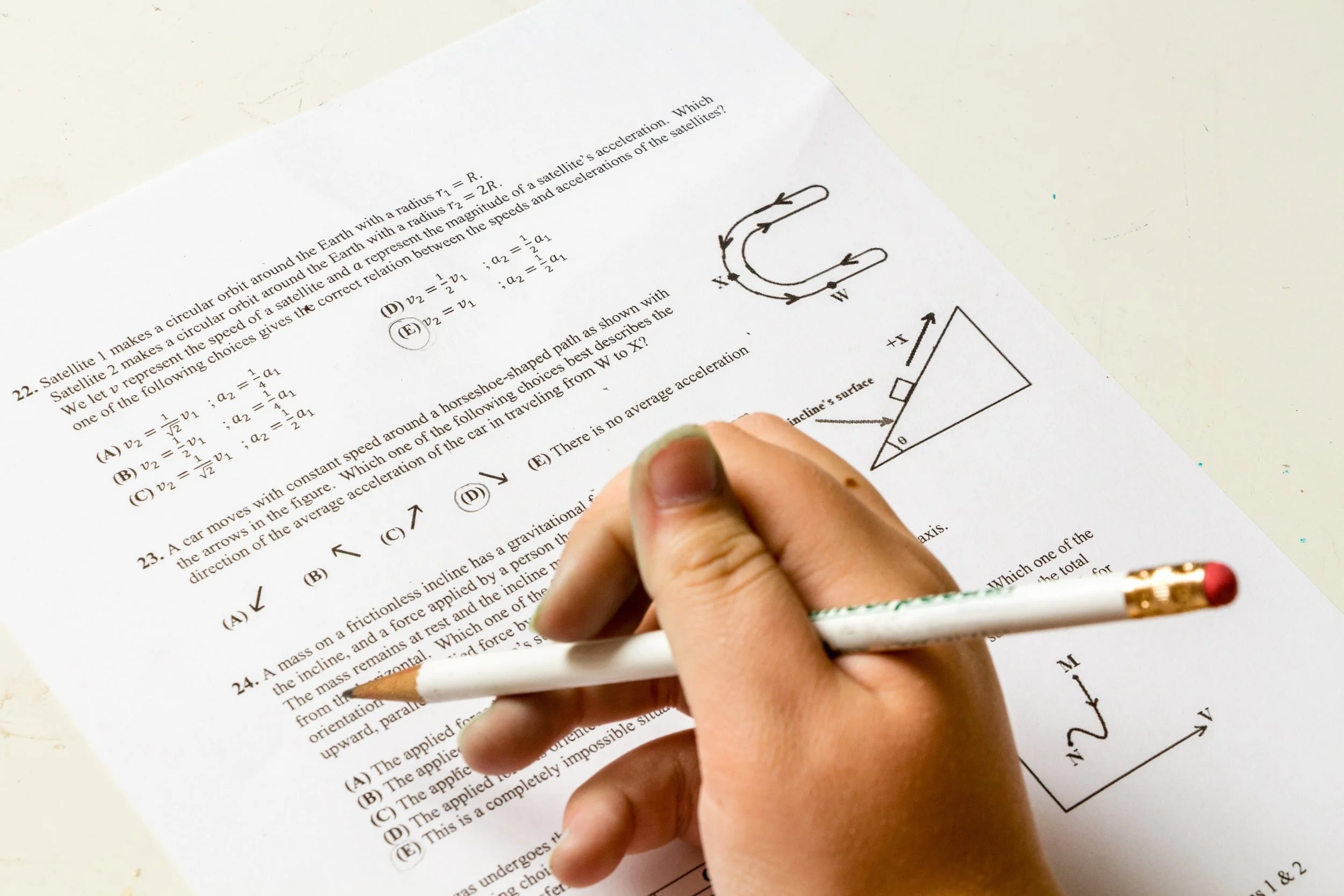
AI and learning has been in the news recently. The Economist recently featured data from a study of 7-12 grade Chinese students’ homework and exam scores and AI use (1). Students who relied heavily on generative AI to complete their homework scored highly on their homework, but did not fare as well on exams. However, students who either didn’t use generative AI, or who only used it strategically, did not perform as well on their homework, but performed better than their peers on their exam.
I’m in the middle of preparing for the fast-approaching academic year. Together with a colleague, I will be teaching a brand-new course (‘Life Lab: The Art and Science of Thriving‘) and I’m looking forward to it.…
I was sharing with some friends in special education that we have several talks they might be interested in, especially at the intersection of neurodiversity and executive functioning. So today, I’m reviewing several related resources that might be useful for others in this space.
Fundamentally, we are all learners and as professionals in education, we are expected to continue learning. This means that the same evidence-based strategies that you seek out for your students can apply to you as well.
In May I attended an all-day ‘AI in Assessment’ workshop with a focus on Psychology degrees in Higher Education in London. Researchers from the UK and Ireland shared insights on students’ attitudes on AI, rethinking assessment approaches, and general considerations on navigating technological progress…